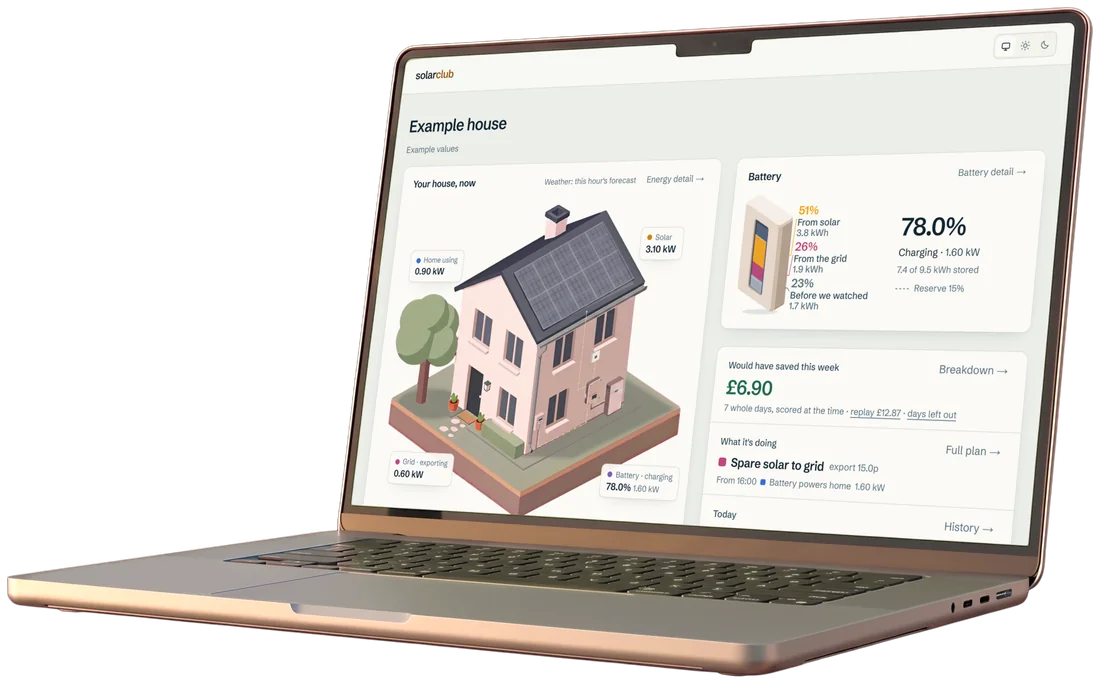
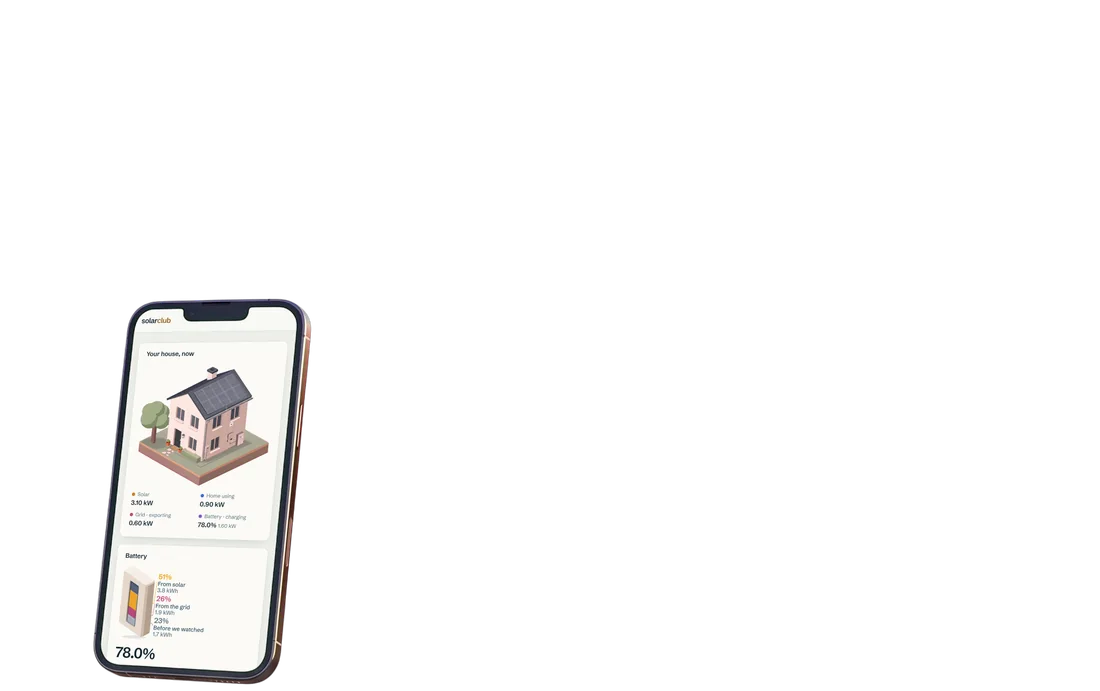
It plans around tomorrow's prices and sunshine, and shows what you would have saved. £334 to £427 a year in our backtest. Free, read-only, nothing to install.
Join the free beta
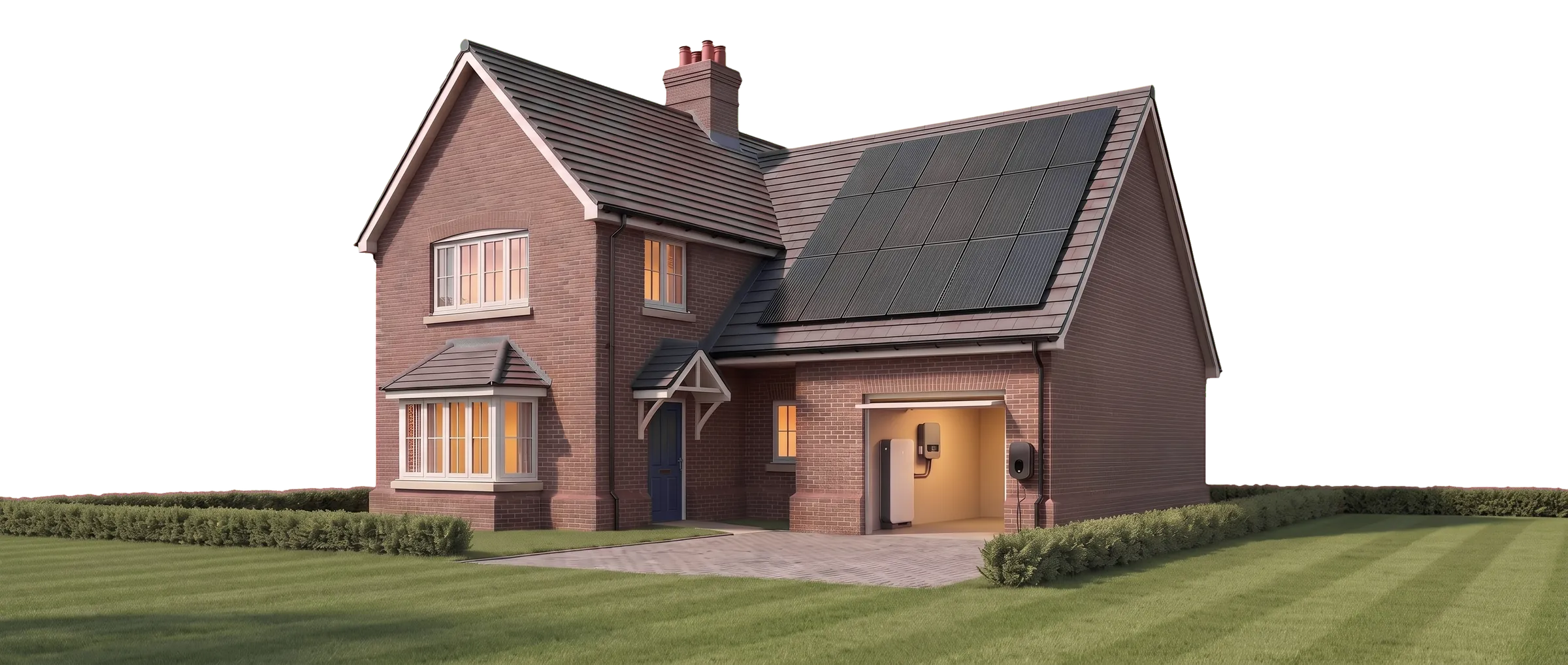
Works with the battery and tariff you already have
On a dynamic tariff the price changes every half hour: often above 30p at the evening peak, sometimes below zero on a windy afternoon. A typical battery still runs a fixed timer: charge overnight, discharge in the evening, whatever tomorrow's weather. On a sunny day, that means paying to fill a battery the roof would have filled for free.
What a plan would have saved over a fixed overnight charge, for one house: 359 days of its real metered use on Octopus Agile's actual prices, with the solar modelled. £334 if export pays 15p, £427 if it pays nothing, because export income narrows the gap.
The gap is widest in spring and summer, when a timer buys grid power for a battery the sun was about to fill. The quietest months, October and February, came to £8 to £13.
You connect the manufacturer account you already have. No box, no hub, and nothing on your home network.
Anyone can quote a number after the fact, once they know how the day turned out. That is not evidence, it is hindsight. Here is what we do instead, and every figure carries where it came from.
Every five minutes, through your manufacturer's own cloud. Power, charge, import, export. If a channel cannot be read, it is reported missing, never filled in with a plausible zero.
MeasuredThe solar forecast and tariff prices are stored as they stood at the moment the decision was made, then frozen. That snapshot is what the plan is judged against.
Modelled, and labelledEach half hour is costed twice through one shared engine: what your system did, and what the plan would have done knowing only what was knowable then.
Modelled, from measured readingsHours where the system was unreachable stay visibly empty. A day with holes in it is reported as a day with holes in it.
Missing stays missingEach reading is timestamped on the system's own clock and stored with the name of the field it came from, so any figure can be traced back to what the manufacturer actually reported.
pvPowerloadPowerbatteryPower · batterySoc 10%, emptygridPower −1.84 · negative means buyingA plan can only be judged fairly against what was knowable when it was made. This is the forecast and price the 16:00 plan was built on, kept exactly as it stood.
Once for what your system actually did, once for what the plan would have done. Both sides go through identical arithmetic, so the difference is the plan and nothing else.
The battery ran empty by mid-afternoon, so at the 16:30 peak the house bought everything from the grid.
Held charge back for the 16:00 to 19:00 peak and covered the house from the battery.
Broadband drops and manufacturer clouds have outages. Filling the gap with a guess would make the savings figure look complete, and make it wrong.
See what your battery is doing, the plan it could follow, and what that plan would have saved you, half-hour by half-hour.
Tomorrow's prices and solar forecast are planned together, so tonight's charge already knows whether tomorrow will be sunny.
It will not cycle your battery for a gain smaller than the wear, and it keeps the reserve you set.
For every half hour: what happened, what the plan would have done, and the difference in pence.
The beta never sends your battery an instruction. It watches, plans, and tells you what the plan was worth.
Clear, direct answers about how Orza reaches your battery, handles your tariff, and stays out of the way of your system.
No. You keep your manufacturer's own app for warranty registration, firmware upgrades and safety monitoring, and you keep using it exactly as you do now. Orza sits alongside it as a scheduling layer, reading your system through the manufacturer's cloud. In Watch mode, which is what the beta offers, it writes nothing at all.
Dynamic and time of use tariffs, import and export, from the suppliers listed above. Tomorrow's prices are fetched automatically as soon as your supplier publishes them, and the plan is rebuilt around them.
Nothing. There is no hub, no Raspberry Pi, no always-on computer and no software on your network, and there never will be. Orza runs entirely in the cloud and reaches your battery through the API your manufacturer already operates, authorised by the account you already have. If a brand has no usable cloud API, we cannot reach it, and we will tell you that rather than sell you a box.
During the beta Orza never touches your battery, so it cannot wear it. The plan it shows you already allows for wear: it carries a cost for every kWh moved through the pack, so it will not cycle the battery for a gain smaller than that, and you can change that cost. It also respects the charge and discharge power limits and the reserve floor you set. Where a manufacturer's cloud does not report pack temperature, we do not claim to act on it.
Your battery carries on exactly as it would without us. It is your inverter, running your manufacturer's own logic. Orza is not in the power path and cannot halt it. What we lose is sight of it: if your broadband or the manufacturer's cloud is unreachable, the readings for those half hours are missing, and they are shown as missing. A day with holes in it is reported as a day with holes in it, and it is left out of your savings figure rather than quietly filled in.
In Watch mode there is nothing to pause: no instruction is ever sent, so your battery is already doing whatever your manufacturer's app tells it to. When opt-in control does arrive, pausing will stop the next instruction and hand the system straight back to its own schedule, and you will always keep full control at the inverter and in the manufacturer's app.
Orza is free during the beta. Connect your battery in read-only Watch mode and see, on your own house, what a better plan would have saved.
Tell us which battery you have and we will email you to get it connected.
Join the free betaRead-only. Nothing to install. Nothing to pay.